
The furniture industry has a waste problem nobody talks about
Every year, millions of sofas, desks, and chairs end up in landfills. They are not broken beyond repair. They are simply unwanted. A family moves cities. A startup outgrows its office. A tenant leaves a furnished flat. And perfectly good furniture gets discarded.
The EU alone produces 10.78 million tonnes of furniture waste annually, with around 80 to 90% of that waste being incinerated or landfilled and only about 10% recycled. India is heading in the same direction as urbanization accelerates and consumer lifestyles shift faster than ever.
The solution is not to produce better furniture. The solution is to change how furniture moves through the world. That is exactly what the circular furniture economy is designed to do.
What Is a Circular Furniture Economy?
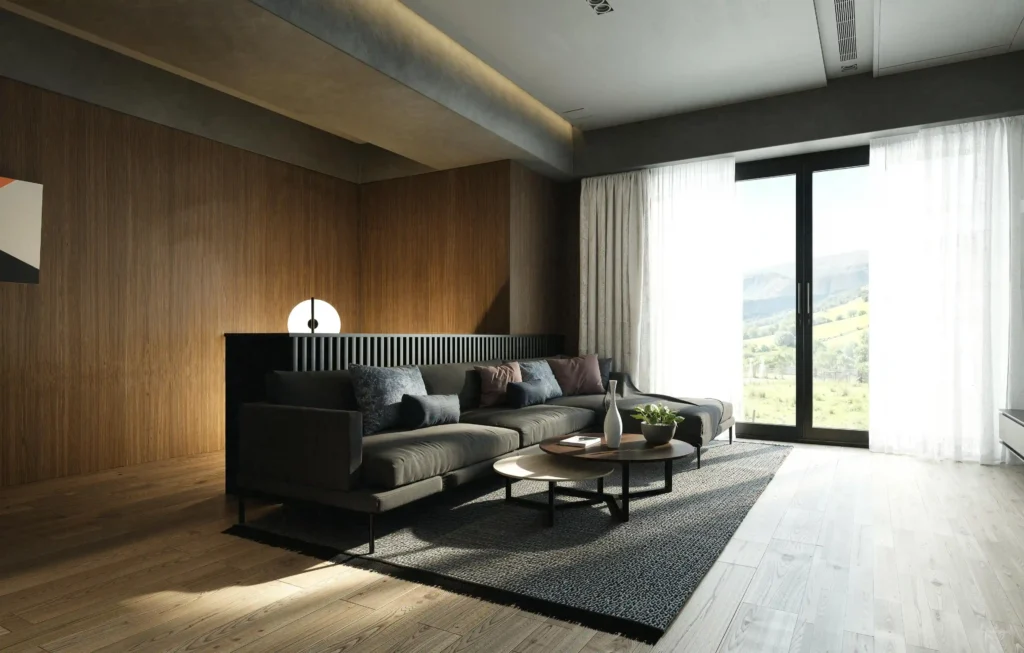
A circular furniture economy is a system where furniture is designed, used, maintained, and redistributed so that it stays in active use for as long as possible, rather than ending its life in a dump.
The circular economy is a regenerative economic system that aims to minimise waste and maximise the value of resources. Unlike the traditional linear economy, which follows a "take-make-dispose" model, the circular economy focuses on reducing, reusing, and recycling materials to create a closed-loop system.
In the furniture sector, this means moving away from one-time purchases toward models that keep pieces circulating between users. Rental is the most direct and scalable expression of this idea. Vault.Furniture enables Mumbai households and businesses to access premium furniture through a rental model that keeps quality pieces in use and out of landfills.
What Is Sustainable Furniture?
Sustainable furniture refers to pieces that are built to last, sourced responsibly, and managed in ways that reduce environmental impact across their entire lifecycle. It is not just about materials. It is also about the business model behind the product.
When you rent furniture instead of buying it, you are making a sustainable choice even if the piece itself is not made from organic bamboo or recycled timber. Renting furniture naturally embodies circular economy principles by maximizing product utilization, reducing manufacturing waste, and extending product lifecycles through refurbishment.
4 R's of the Circular Economy in Furniture
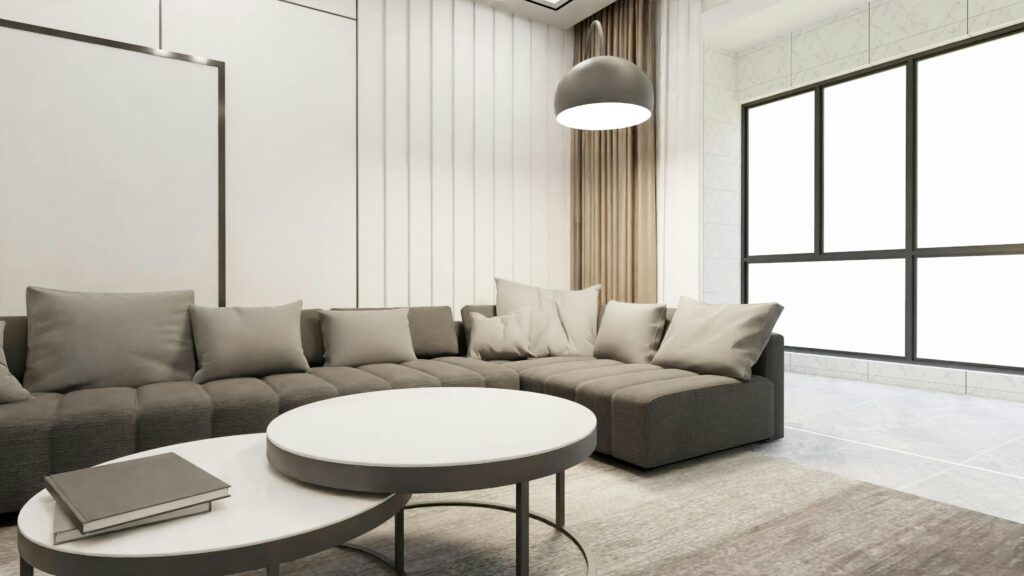
Understanding how the circular economy works in practice comes down to four core principles.
The 4 R's of the circular economy are Reduce, Reuse, Recycle, and Recover. These core strategies aim to reduce environmental impact through responsible and conscious use of resources, and together they form the foundation of an economic model where every product and material is designed to last longer.
Here is how these principles apply directly to the furniture sector:
Reduce means buying less new furniture and extending the life of what already exists. Rental platforms make this possible by giving users access to what they need without triggering new production.
Reuse means putting the same piece of furniture in front of multiple users over time. A well-maintained sofa rented out five times delivers five times the value with no additional manufacturing footprint.
Recycle means recovering the raw materials from furniture at the end of its useful life, whether that is wood, metal, foam, or fabric, and channelling them back into production.
Recover means extracting energy or material value from pieces that cannot be repaired or recycled in conventional ways, ensuring nothing is simply thrown away.
Vault.Furniture builds its model around these four principles, with a particular focus on Reduce and Reuse through its rental and subscription offering in Mumbai.
Why Leading Brands Are Choosing Rental Over Retail in 2026
The shift toward circular models is no longer a niche conversation. The world's most recognized furniture brand is already leading the way. IKEA has piloted furniture rental services in select markets, allowing customers to lease rather than own pieces, reflecting a shift from product ownership to product-as-a-service, which is a key principle of the circular economy.
This circular economy push is part of IKEA's broader sustainability strategy as it pursues a fully circular target by 2030 and an offset-free net zero goal for 2050.
If a company at IKEA's scale is rethinking ownership, the signal to the rest of the industry is clear. Rental is not a compromise. It is the future.
And the market data supports this. The global furniture rental service market was valued at USD 90.47 billion in 2025 and is projected to grow from USD 98.20 billion in 2026 to USD 219.83 billion by 2034, at a CAGR of 10.60%. In India specifically, the growth story is even more compelling. The Indian furniture rental market is expected to grow fromUSD 1.5 billion in 2025 to USD 4.8 billion by 2032 at a CAGR of 18%, supported by rapid urban migration of young Indian professionals and millennials and the accelerating adoption of co-living, PG, and student housing formats.
Circular Economy Opportunities in the Furniture Sector: Where India Leads
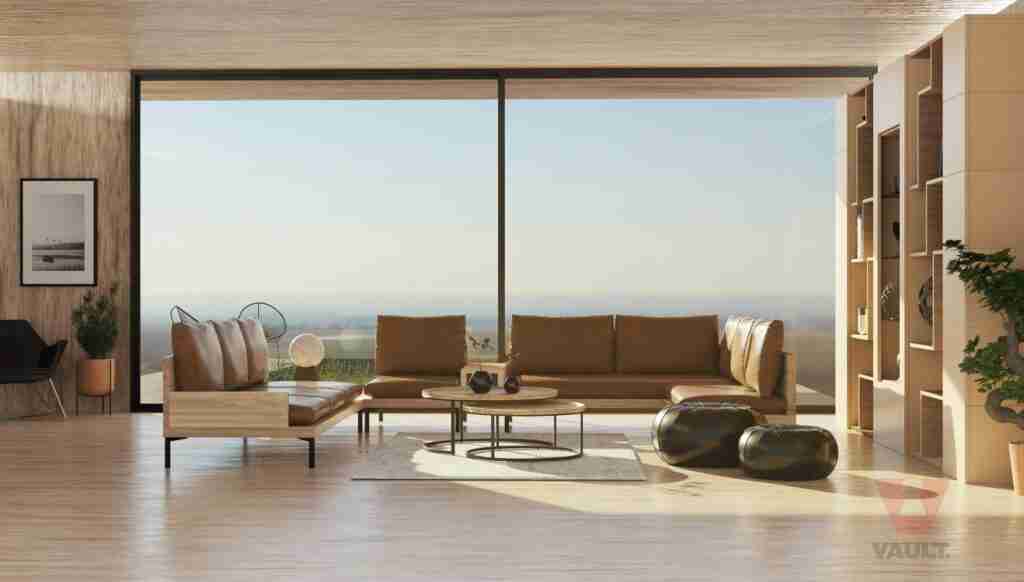
India's urban growth is creating a uniquely powerful set of circumstances for the circular furniture economy. Young professionals in Mumbai, Pune, Bengaluru, and Hyderabad move cities for work, change homes frequently, and need fully furnished spaces on short notice. Buying furniture for every new flat makes no economic or environmental sense.
Renting over owning is seen as a sustainable alternative, reducing waste and promoting the circular economy. As India's government strengthens its sustainability initiatives, rental models will align with these goals, further encouraging adoption.
Circular economy office furniture is another major opportunity. Startups and growing businesses need furnished workspaces that can scale up or down quickly. Renting office furniture removes the burden of large upfront capital investment while ensuring that desks, chairs, and storage units stay in productive use rather than going to waste when companies restructure.
Significant opportunities are emerging across corporate B2B furniture rental for offices, hotels, and serviced apartments, alongside Tier II and Tier III city expansion through asset-light franchise and aggregator models.
Circular Furniture Economy Design: Built to Be Rented
Circular furniture economy design is about creating pieces that are durable, easy to repair, and built for multiple lives rather than single ownership. IKEA is testing circular solutions such as furniture leasing, take-back and buy-back schemes, and helping customers repair, reuse, and recycle old furniture, while working toward producing 100% circular products by 2030.
At Vault.Furniture, the curation philosophy reflects this same thinking. Every piece on the platform is selected for quality and longevity, maintained between rentals, and kept in circulation for as long as it delivers value to users.Furniture designers create modular and repairable pieces that are built specifically for circular use, making it easier for platforms like Vault.Furniture to keep inventory in excellent condition across multiple rental cycles.
How Vault.Furniture Brings the Circular Economy to Mumbai
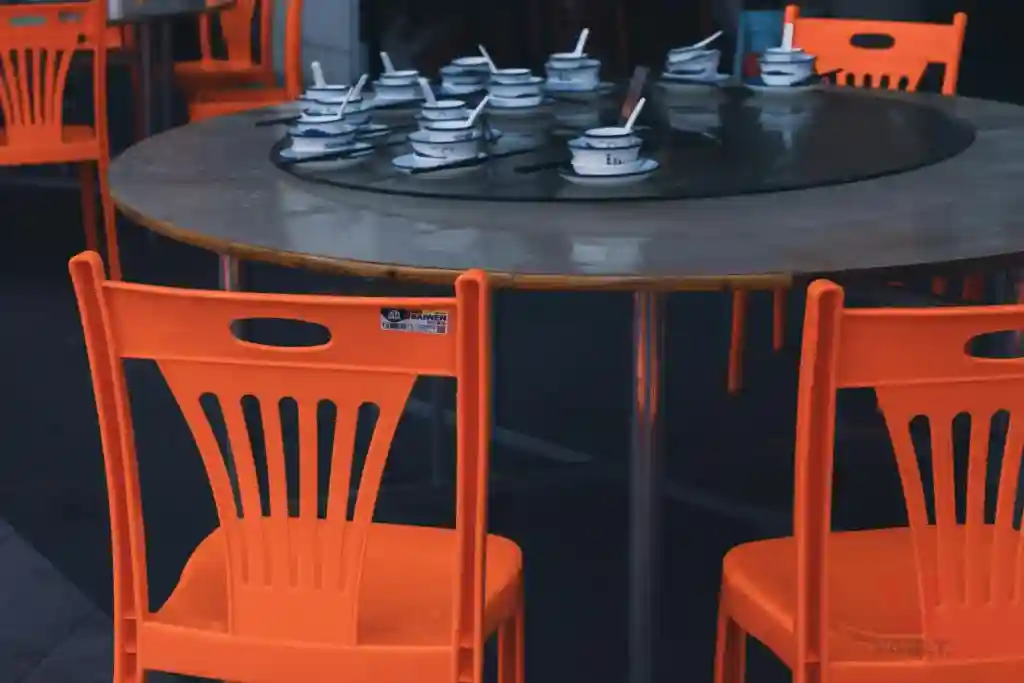
Vault.Furniture is Mumbai's dedicated furniture rental platform, offering flexible access to curated, high-quality furniture for homes, offices, and co-living spaces. Instead of committing to an expensive purchase that may not suit your next address, you choose what you need, for as long as you need it, and return it when your situation changes.
The model works for everyone. Urban renters avoid the cost and clutter of ownership. Businesses stay agile without heavy capital tied up in office infrastructure. And the planet benefits every time a rental replaces a new purchase.
Getting started is simple. Browse the Vault.Furniture collection, select your pieces, choose your rental duration, and schedule delivery. When you are ready to move on, Vault collects the furniture and prepares it for its next user.
That is the circular furniture economy in action. No waste. No unnecessary production. Just great furniture, shared smartly.
Explore Vault.furniture today and become part of Mumbai's circular economy movement.
Leave a Reply