
Table of Contents
Your luxury sofa costs more than a month's rent. Your solid teak dining table was hand-finished. Your velvet accent chairs were sourced from a boutique atelier in Bandra. And right now, all of it is sitting in a regular storage unit somewhere in Mumbai, experiencing 85 percent humidity, 38-degree summer heat, and zero climate regulation.
This is the silent damage that most people never account for until it is too late.
Climate controlled storage is no longer a premium add-on for the overly cautious. For anyone storing quality furniture, whether during a relocation, a renovation, a set clearance, or a seasonal cycle, it is the minimum standard that protects your investment. This post explains exactly what climate controlled storage means, why Mumbai's environment makes it non-negotiable for luxury pieces, and how Vault.Furniture approaches this for every item in its care.
What Is Climate Controlled Storage?
Climate controlled storage for furniture refers to storage facilities that actively regulate both temperature and humidity levels within the unit at all times. Unlike standard storage units that are simply locked and sealed spaces, climate controlled storage units maintain a consistent internal environment regardless of external weather conditions.
The two variables being managed are temperature and relative humidity.
Temperature control typically keeps the unit between 18 and 24 degrees Celsius year-round. Humidity control keeps relative humidity levels between 30 and 50 percent, preventing both the dryness that causes cracking and the moisture that causes warping, mildew, and corrosion.
Some climate controlled self storage facilities also include air filtration, which removes dust, airborne mould spores, and particulates that settle on surfaces over time. For furniture with fabric upholstery, open-grain wood, or lacquered finishes, this level of environmental management makes a direct and measurable difference.
Why Mumbai's Climate Is Particularly Harsh on Furniture
Mumbai does not have a forgiving climate for anything that needs to stay intact for months. The city's coastal location on the Arabian Sea means year-round humidity that rarely drops below 60 percent, even in the so-called dry season. During the monsoon from June through September, outdoor humidity regularly climbs above 90 percent.
This is the environment your furniture fights against the moment it leaves a climate-regulated home or showroom and enters an uncontrolled space.
For wooden furniture, the effects begin almost immediately. Wood is hygroscopic, meaning it absorbs and releases moisture from the surrounding air. When humidity rises, wood swells. When it drops, wood contracts. This cycle of expansion and contraction across weeks and months is what causes joints to loosen, veneers to peel, surfaces to crack, and drawer mechanisms to seize up. For teak, rosewood, sheesham, and other premium hardwoods, the damage can be severe and often irreversible without expensive restoration.
For upholstered pieces, high humidity creates the ideal conditions for mould and mildew growth inside the padding and frame, where you cannot see it. Leather cracks and stiffens. Velvet and linen develop musty odours that become embedded in the fabric. Metal hardware on beds, consoles, and shelving develops rust and surface corrosion.
For lacquered, painted, or resin-finished furniture, temperature extremes cause the finish to bubble, yellow, or separate from the substrate. Marble and stone tabletops develop micro-fractures when exposed to significant temperature swings.
None of this happens dramatically overnight. It happens slowly, steadily, and invisibly until you retrieve your pieces and realize they are no longer what they were.
What Types of Furniture Require Climate Controlled Storage
Not every piece demands the same level of environmental care. But as a general rule, any furniture with significant material value, craftsmanship, or sentimental weight benefits from climate controlled storage facilities.
Solid Wood and Antique Furniture
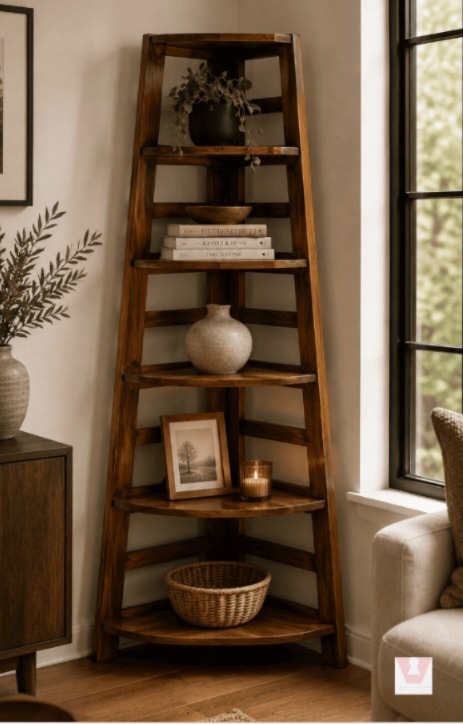
Antique furniture and solid hardwood pieces are at the highest risk from uncontrolled humidity. Their joinery, finishes, and internal structure were built to exist in stable environments. Placing them in a standard godown during a Mumbai monsoon is one of the fastest ways to destroy decades of craftsmanship.
Upholstered Sofas, Chairs, and Headboards
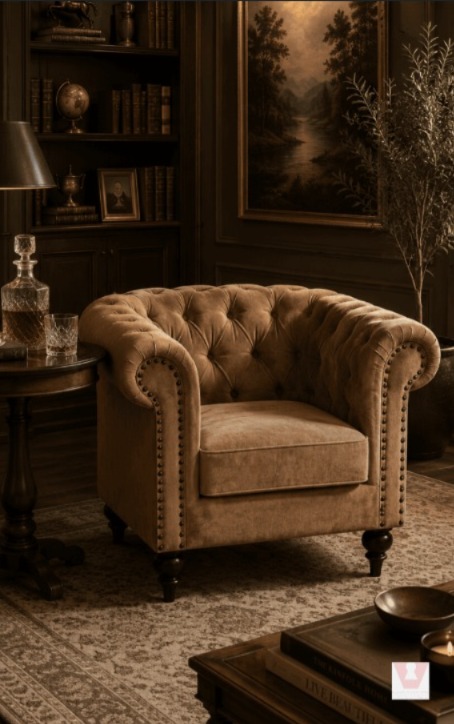
Any piece with foam padding, fabric covering, or leather is vulnerable to mould, mildew, and pest infestation in humid, unventilated storage. Climate controlled storage units prevent the moisture accumulation that allows these problems to take hold.
Lacquered, Painted, and Resin Furniture
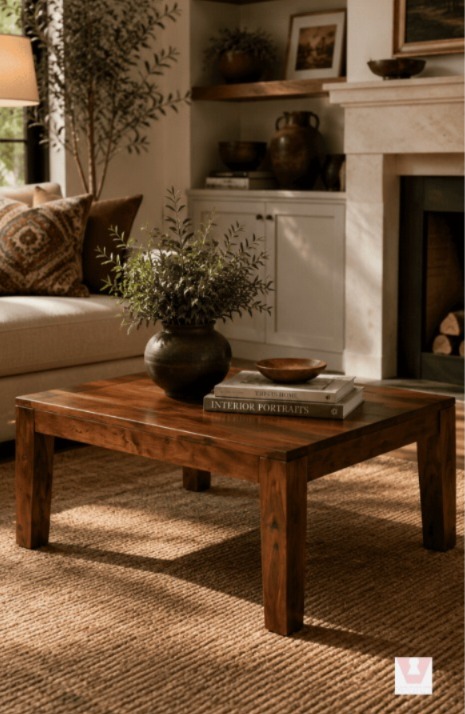
High-gloss lacquer and paint finishes are extremely sensitive to temperature fluctuation. Significant heat causes the coating to soften and lose adhesion. Cold snaps cause it to contract and crack. Maintaining a stable temperature is the single most effective way to protect these finishes during storage.
Modular and Flat-Pack Furniture with Internal Hardware
MDF panels, particleboard, and flat-pack furniture that has already been assembled are highly sensitive to moisture. These materials absorb water more aggressively than solid wood and swell at joints, causing structural failure that cannot be reversed. Climate controlled self storage gives these pieces a stable environment where moisture levels stay within safe limits.
Designer and Statement Pieces
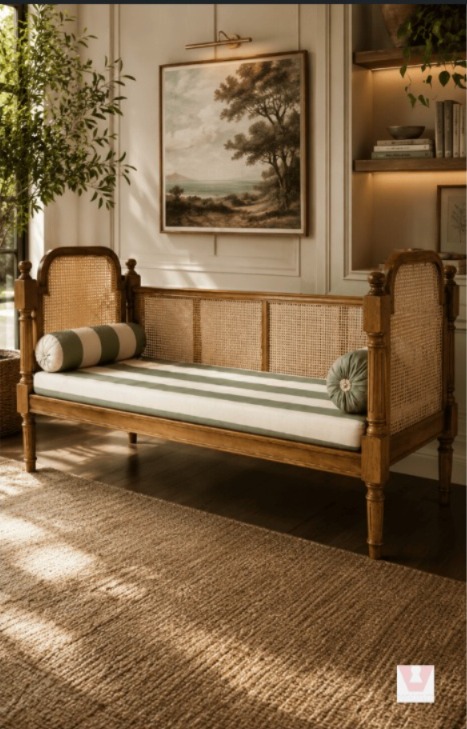
Any furniture that has significant monetary or aesthetic value, whether it is a designer piece sourced internationally, a custom commission, or a rare vintage find, should not be placed in an uncontrolled environment under any circumstances.
How Climate Controlled Storage Facilities Work
Modern climate controlled storage facilities use a combination of HVAC systems, dehumidifiers, and air sealing to maintain internal conditions. The units are typically insulated at walls, ceilings, and floors to buffer against external temperature shifts.
Humidity monitoring runs continuously, with automated systems activating dehumidification when levels rise above the target range. Temperature is regulated throughout the day and night, not just during operating hours. The goal is not to respond to environmental changes but to prevent them from occurring inside the unit in the first place.
Better climate controlled self storage facilities also include 24/7 CCTV surveillance, biometric or keycard access control, fire suppression systems, and regular pest management. For luxury furniture, security and environmental control go hand in hand.
Difference Between Climate Controlled and Air-Conditioned Storage
This is a common point of confusion. Air-conditioned storage simply cools the air inside the unit during operating hours. It does not actively monitor or regulate humidity. It does not maintain consistent conditions overnight or during power interruptions. It is better than a sealed godown, but it is not climate controlled storage.
True climate controlled storage units regulate both temperature and humidity around the clock, regardless of operating hours, external weather, or power fluctuations. This distinction is important when you are evaluating storage options for high-value or sensitive furniture.
When comparing climate controlled storage facilities near you, ask specifically about humidity regulation and whether environmental conditions are maintained continuously or only during daytime hours.
Climate Controlled Storage for Corporate and Event Furniture
Beyond personal storage, climate controlled self storage plays an important role in commercial contexts. For companies that rent premium furniture for corporate offices, hospitality spaces, and events, maintaining piece quality across multiple cycles of use and storage is central to the product offering.
At Vault.Furniture, every piece in the rental inventory, is housed in climate-managed conditions between deployments. This means that when a boardroom table or a designer lounge chair arrives at your office in Lower Parel or your event venue in Juhu, it is in the same condition as when it left the facility. No swollen drawers, no mildew odours, no surface deterioration from sitting through a Mumbai monsoon in an unregulated warehouse.
This is the direct commercial benefit of treating climate controlled storage as infrastructure rather than as an optional extra.
What to Look for in the Best Climate Controlled Storage Near You
If you are searching for climate controlled storage near me in Mumbai, here is what to evaluate before committing to a facility.
Humidity regulation: Confirm that the facility actively manages humidity levels and not just temperature. Ask for the target humidity range they maintain.
24-hour environmental control: Storage conditions should be maintained at night, during weekends, and during the monsoon season when the risk is highest.
Facility construction: Look for insulated units with sealed floors and no direct outdoor exposure. Ground-level units in older buildings often allow moisture ingress regardless of climate systems.
Security standards: Biometric access, CCTV, and fire suppression should all be baseline features for any facility storing high-value furniture.
Inventory management: For commercial storage clients, the ability to track which pieces are in storage, schedule retrieval, and receive condition reports is a significant operational advantage.
Insurance coverage: Good climate controlled self storage facilities offer or recommend insurance for stored goods. For luxury pieces, this is not optional.
Why Vault.Furniture Uses Climate Controlled Storage for Every Piece
Vault.Furniture operates a circular furniture rental model where quality and condition are the product. A piece that returns from storage warped, stained, or deteriorated cannot be deployed again without cost and delay. Climate controlled storage is not a feature of the Vault.Furniture offering. It is a foundational operational requirement.
Every piece in the Vault.Furniture inventory, from solid wood office tables to designer lounge seating and premium event furniture, is stored in climate-managed conditions in Mumbai. This is what allows the same piece to circulate through multiple offices, events, and hospitality spaces across the city while maintaining the quality that clients expect at each deployment.
For clients using Vault.Furniture for corporate office setups, film productions, or branded event spaces, this means you never receive a piece that has visibly declined from its last use. Climate controlled storage is what makes that consistency possible at scale.
Protect What You Have Invested In
Whether you are relocating across the city, clearing space during a renovation, or managing a furniture rental inventory at scale, climate controlled storage is the single most effective intervention you can make to protect the condition and value of quality pieces.
Mumbai's humidity and heat are not factors you can negotiate with. The only answer is an environment that does not allow them in.
Vault.Furniture operates climate controlled storage facilities as the backbone of its circular furniture rental model in Mumbai. To learn more about how we manage and store premium furniture for corporate, event, and residential clients, reach out to the Vault.Furniture team today.
FAQs
What is climate controlled storage and why does it matter for furniture?
Climate controlled storage is a storage environment where both temperature and humidity are actively regulated at all times. It matters for furniture because materials like solid wood, leather, upholstery, lacquer, and MDF are all sensitive to humidity and temperature fluctuation. Uncontrolled conditions cause warping, mould, cracking, and structural failure over time.
What is the ideal humidity level for storing wooden furniture?
Wooden furniture stores best at relative humidity levels between 35 and 50 percent. Mumbai's ambient humidity is far above this range for most of the year, which is why climate controlled storage facilities that actively dehumidify are essential for quality wood pieces.
Is climate controlled storage the same as air-conditioned storage?
No. Air-conditioned storage cools the air but does not regulate humidity and is typically only active during operating hours. Climate controlled storage maintains both temperature and humidity levels continuously, which is what genuinely protects sensitive furniture.
How long can furniture be stored in a climate controlled unit?
There is no upper limit on duration as long as environmental conditions remain stable. Furniture stored correctly in climate controlled self storage facilities can maintain its condition for months or years without deterioration.
What is the best climate controlled storage near me in Mumbai?
For furniture specifically, look for facilities that regulate humidity as well as temperature, operate environmental controls around the clock, offer insulated units, and include security and insurance. Vault.Furniture's storage operations in Mumbai are built around these standards for every piece in its commercial rental inventory.
Leave a Reply